Schools
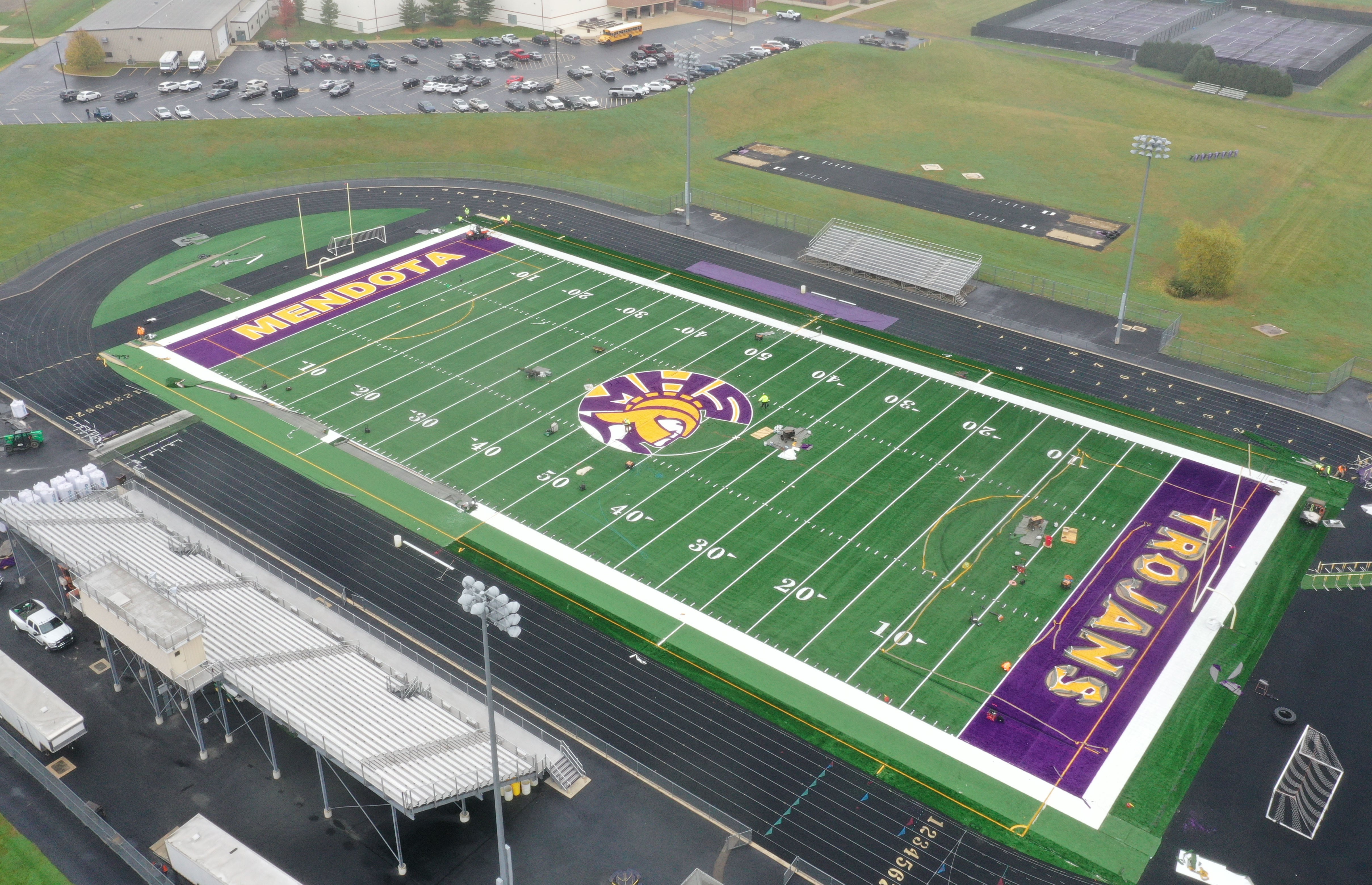
Photos: Mendota High School stadium gets new field turf
By Evelyn Torres
Advertisement · Why this ad?
With a background in educational policy and a degree from the University of Illinois at Chicago, Tom has spent the last 6 years covering the Bloomington school district for various outlets. He is passionate about education and has won awards for his investigative pieces on local school funding and reforms.
More from Tom →
As the sun sets earlier and the leaves begin to fall, a familiar sight becomes increasingly common on Central Illinois roads: deer. Just last week, a Bloomington resident, Sarah Johnson, was driving home from work when a deer darted across her path. Fortunately, she was able to brake in time, but the encounter left her shaken and reminded her of the dangers that lurk on rural and suburban roads this time of year. "It was so sudden; I never saw it coming until it was right in front of me. I felt my heart race, and I realized how quickly things can go wrong," she shared.
According to AAA, the period between October and January sees a significant increase in deer-related crashes. In fact, data shows that nearly 60% of all deer collisions occur during these months, primarily due to deer mating season and the onset of hunting season. The combination of these factors leads to increased deer movement, making it crucial for drivers to stay vigilant.
In Bloomington, the rise in deer activity is particularly concerning. The area's blend of urban development and nearby wooded regions creates an environment where deer frequently venture into roadways. This juxtaposition of habitats means that drivers must remain cautious, especially during dawn and dusk when visibility is lower. Local wildlife experts have noted that as urban areas expand, deer populations are adapting by moving closer to human habitats in search of food and shelter.
Dr. John Smith, a principal research scientist at the University of Illinois Urbana-Champaign, emphasizes the need for awareness. "Deer are most active during the early morning and late evening hours," he explains. "Drivers should be particularly alert during these times, as deer are more likely to cross roads in search of food or mates." He also highlights that the stress of urbanization can contribute to erratic deer behavior, making them more unpredictable.
In addition to heightened deer activity, the risk of collisions is exacerbated by the fact that many drivers may not be prepared for a sudden encounter. According to AAA, approximately 200 people die each year in deer-related crashes nationwide. In Illinois alone, the number of deer collisions has been steadily increasing, with estimates suggesting that over 16,000 incidents were reported last year. This trend is alarming, especially for families in Bloomington who rely on their vehicles for daily commutes and activities.
To help ensure the safety of both drivers and wildlife, Dr. Smith offers several practical tips. First and foremost, he advises drivers to stay vigilant and reduce speed in areas marked with deer crossing signs. These signs are placed in locations where deer are known to frequent, and heeding their warning can make a significant difference. Local residents can also benefit from community awareness campaigns that remind drivers of these risks, especially in neighborhoods close to wooded areas.
Additionally, drivers should use high beams when possible, as this increases visibility and allows for better detection of deer on or near the road. However, it's essential to dim headlights when approaching other vehicles to avoid blinding fellow drivers. In Bloomington, community workshops hosted by local organizations often include demonstrations on safe driving practices, further educating residents on how to navigate these risks.
Another critical piece of advice is to always be aware of your surroundings. If you see one deer, there are likely more nearby. Deer often travel in groups, and spotting one can indicate that others may be close behind. Staying alert and maintaining a safe distance can help prevent accidents. Local wildlife officials encourage residents to report deer sightings to help track movement patterns, which can inform future safety measures.
The impact of deer-related accidents extends beyond the immediate danger to drivers. These incidents can lead to significant financial costs, with the average deer collision resulting in damages of approximately $4,000. For Bloomington families, this can mean the difference between financial stability and unexpected expenses that strain household budgets. Local insurance agents are seeing an uptick in claims related to deer collisions, which can affect premiums for all drivers in the area.
Moreover, the emotional toll of a deer collision can be substantial. Many drivers experience anxiety and stress following a close call or an actual accident, which can affect their overall well-being. Local residents are encouraged to share their experiences and tips with each other, fostering a community of awareness and support. Community forums and social media groups have emerged, allowing residents to discuss not only their experiences but also to share effective strategies for avoiding deer-related incidents.
For those looking to educate themselves further, AAA provides a wealth of resources aimed at promoting safe driving practices. Their website includes detailed articles on deer safety, as well as interactive tools to help drivers understand the risks associated with deer collisions. Additionally, the City of Bloomington offers guidance on local wildlife safety and programs to mitigate deer populations in urban areas. These initiatives are crucial as they help bridge the gap between urban development and wildlife management.
Local law enforcement also plays a vital role in addressing deer-related incidents. The Bloomington Police Department encourages residents to report deer sightings and collisions to help monitor and manage deer populations effectively. They have also begun to collaborate with wildlife experts to develop strategies that can further reduce the risks associated with deer on the roads.
As we move deeper into the fall and winter months, the importance of staying informed and prepared cannot be overstated. By following expert advice and remaining vigilant, Bloomington residents can significantly reduce their risk of deer-related accidents. The community's commitment to safety, coupled with shared knowledge, will empower families to navigate these challenges together. Schools are also getting involved, with educational programs aimed at teaching young drivers about the importance of road safety in relation to wildlife.
In conclusion, while deer-related crashes pose a genuine threat to drivers in Bloomington, awareness and preparation can go a long way in ensuring safety. By taking proactive measures and supporting one another, we can continue to enjoy the beauty of our surroundings while minimizing risks on the road. The upcoming months will require a concerted effort from all community members to keep each other safe, and initiatives that promote deer awareness are essential in fostering a culture of responsibility and care.
By Evelyn Torres

By Greg Ramirez

By Greg Ramirez

By Chloe Kim