Real Estate
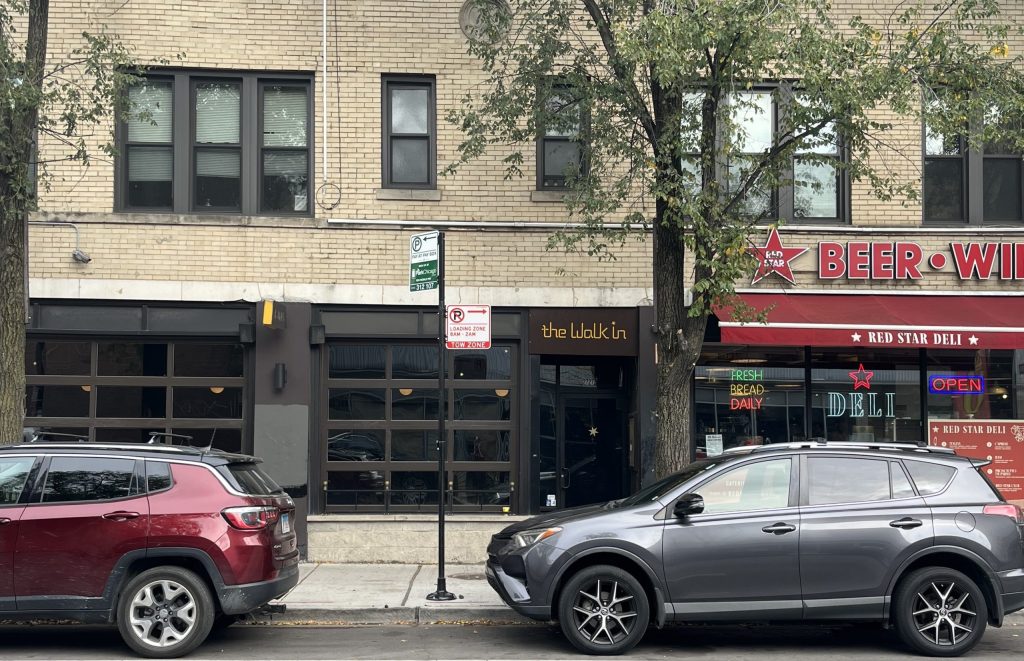
Logan Square’s The Walk In Reopens Friday — Just Enter Through The Cooler
By Aaron Chen
Advertisement · Why this ad?
David Gonzalez is a dedicated reporter with a focus on local government and policy. He holds a Master's in Public Affairs from the University of Illinois at Chicago and has previously reported for the South Side Weekly, diving deep into municipal issues.
More from David →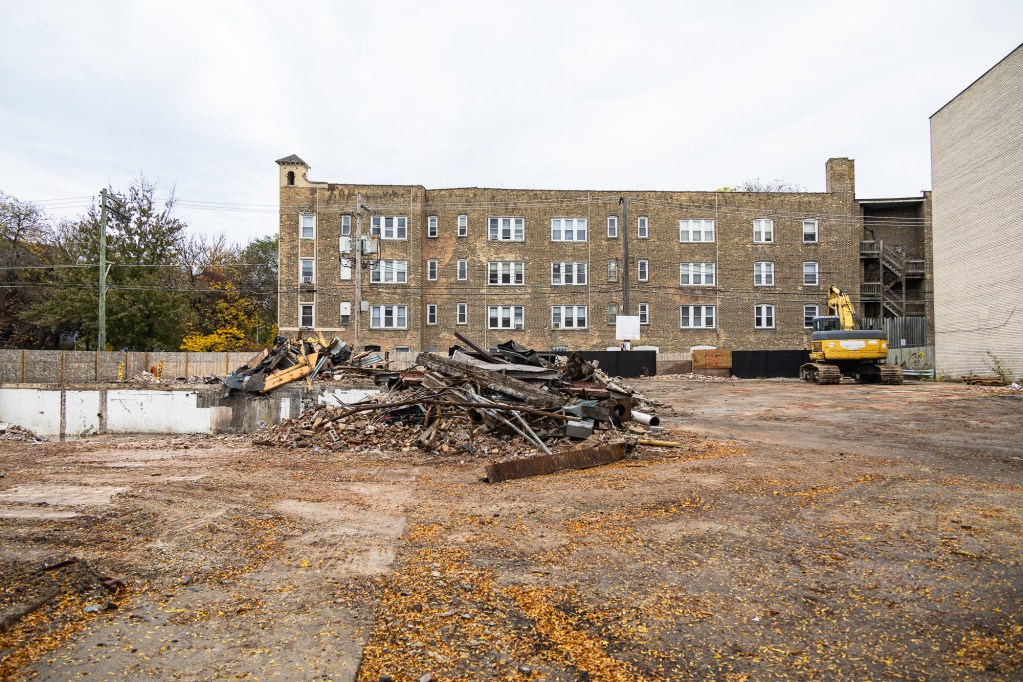
As the sun sets over Rogers Park, the once-familiar sight of Leona's restaurant, a staple in the community for decades, is reduced to rubble. The sounds of construction echo through the neighborhood, signaling a new chapter as the site prepares to transform into an apartment complex. The demolition marks a poignant moment in the community's evolution, as residents grapple with the loss of a beloved gathering spot while looking forward to the promise of new housing.
In Andersonville, a new development proposal is on the table, with James Fox of Mackinaw Development, LLC aiming to build a five-story apartment complex at 5036-44 N. Ashland Ave. This would be the third project from Fox and architect Mike Maresso, who have already successfully navigated two previous developments along Ashland Avenue. During a community meeting held in October, the developers outlined plans for 35 apartments, including nine one-bedroom and 26 two-bedroom units, with seven designated as affordable housing, adhering to city guidelines.
The proposed building will feature 14 car parking spaces, 35 bicycle parking spots, inset balconies for each two-bedroom apartment, and a shared roof deck, enhancing the living experience for future residents. Rents are projected to range from $2,500 to $2,800 for two-bedroom apartments and under $2,000 for one-bedroom units, reflecting the ongoing demand for housing in the area.
If Ald. Andre Vasquez (40th) approves the zoning change request, the proposal will move forward to the city's Committee on Zoning, Landmarks and Building Standards, and subsequently to the full City Council for final approval. Fox expressed confidence, indicating that if this project is greenlit, he won't seek additional zoning changes for a while, signaling a busy period ahead for the development team.
The loss of Leona's, which closed its doors in 2019, has left a void in Rogers Park. The site, now cleared for development, will soon house 80 apartments in a five-story building that promises to include ground-floor commercial space. This development comes after multiple failed attempts to repurpose the building, including a proposed Zen Leaf dispensary that was ultimately rejected by Ald. Maria Hadden (49th) due to zoning issues.
Community members have mixed feelings about the transition. Some residents welcome the new housing, seeing it as a step towards addressing the city's housing crisis, while others mourn the loss of a local landmark that once served as a gathering place for families and friends. The former restaurant's history as a campaign headquarters during the last aldermanic election adds another layer of significance to its demolition, as candidate Bill Morton utilized the space before facing legal challenges related to campaign activities held there.
Local resident and long-time patron of Leona's, Margaret Johnson, expressed her sentiments, stating, "It’s hard to see such a cherished place go, but I understand the need for housing. We need to find a balance between development and preserving our community's history." This sentiment resonates with many who have shared memories of family gatherings and community events at the restaurant.
As the dust settles, the community is left to ponder how these changes will shape the character of Rogers Park and Andersonville. The promise of new housing is welcomed, but it comes with the bittersweet reality of losing cherished local establishments.
With the city grappling with a housing shortage, the inclusion of affordable units in the new Andersonville project is a crucial aspect that cannot be overlooked. The developers' commitment to providing seven affordable apartments is a step in the right direction, addressing the pressing need for accessible housing options in the area. However, residents are keenly aware that more must be done to ensure that the community remains inclusive and affordable for all.
Local advocate for affordable housing, Sarah Thompson, emphasized the importance of this development, stating, "While seven affordable units are a start, we need to push for more. The community is changing rapidly, and we must ensure that long-time residents are not priced out of their own neighborhoods."
The challenge of balancing development with the preservation of community character is a delicate one. As new residents move in, long-time residents hope that their voices will be heard in future planning discussions. The city must prioritize maintaining the essence of neighborhoods while accommodating growth and change.
As the approval process for the new developments unfolds, the community is encouraged to stay engaged. Ald. Vasquez has been proactive in seeking input from residents, and community meetings will continue to play a vital role in shaping the future of Ashland Avenue and Rogers Park. Residents are urged to voice their opinions and concerns as the city navigates these significant changes.
For those interested in the developments, it’s essential to keep an eye on the city’s zoning committee meetings and city council sessions, where these proposals will be discussed. The decisions made in these forums will have lasting impacts on the community's landscape, and residents have a unique opportunity to influence the outcome.
In addition to zoning meetings, local organizations are planning forums to educate residents on their rights and the development process. Groups like the Rogers Park Community Council are mobilizing efforts to ensure that community voices are amplified during this critical time.
While the demolition of Leona's marks the end of an era, it also opens the door for new possibilities. The upcoming apartment complex is set to provide much-needed housing, but it is crucial that the city remains committed to preserving the community's spirit. As Rogers Park and Andersonville continue to evolve, the hope is that the developments will foster a vibrant, inclusive environment where families can thrive and new residents can feel at home.
In conclusion, the changes taking place along Ashland Avenue and in Rogers Park reflect broader trends in urban development. As Chicago navigates its housing crisis, the balance between growth and community preservation remains a pressing concern. The future is uncertain, but with active community engagement and responsible planning, there is hope for a harmonious coexistence of new developments and cherished local traditions.
By Aaron Chen
By Lila Thompson

By Lisa Nguyen

By David Johnson