
Real Estate
Man awaiting rape trial convicted in Cherry Valley stabbing case
By Ethan Thompson
Advertisement · Why this ad?
Chloe is an experienced real estate journalist with a degree in Urban Studies from DePaul University. She has spent the last 4 years reporting on housing trends in Bloomington, previously contributing to local real estate sections and blogs.
More from Chloe →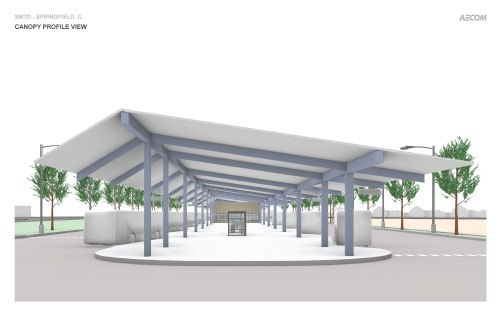
In the heart of Springfield, amid the hum of city life and the steady march of progress, a new chapter is unfolding that promises to reshape how residents commute and connect. Imagine the buzz of construction, the promise of improved transit options, and the community’s anticipation for a brighter, more accessible future. This isn’t just a story about land; it’s about the heartbeat of a community committed to growth rooted in faith, family, and the American dream.
The Sangamon Mass Transit District (SMTD) recently announced a significant milestone in its ongoing efforts to enhance public transportation in the region. The agency acquired a sprawling 25-acre parcel located at 250 W. North St., on Springfield’s south side, marking a pivotal step toward building a new transportation facility. This strategic move aims to address the growing needs of the community by providing a modern, efficient hub for buses and transit services.
The newly acquired land will host a secondary off-street bus terminal, designed to streamline operations and improve safety for passengers and drivers alike. The project underscores the district’s commitment to fostering stronger, more reliable transit options that serve families, workers, and students across the city and beyond. The facility is expected to feature state-of-the-art amenities, ensuring a comfortable and accessible experience for all users.
Construction on this ambitious project is anticipated to begin within the next year, with the goal of completing the facility by 2026. The move aligns with Springfield’s broader urban development plans, emphasizing sustainable growth and community-centered infrastructure. As the city continues to evolve, investments like this reflect a shared vision of progress grounded in faith and a desire to serve all residents.
Local leaders and residents alike have expressed enthusiasm about the project’s potential to transform daily life. “This new facility will be a game-changer for Springfield families,” says Mayor Jim Langfelder. “It’s about making transportation more accessible, safer, and more efficient, which supports our community’s values of unity and progress.”
For many, reliable transit is more than convenience; it’s a lifeline that connects families to jobs, schools, healthcare, and faith communities. The project also promises to boost local employment, with construction and ongoing operations expected to create dozens of jobs, providing economic uplift to the area. Community organizations are optimistic that improved transit will foster stronger neighborhoods and encourage more sustainable living practices.
Looking ahead, the Springfield city council and SMTD are working closely to ensure the project aligns with community needs and environmental standards. Public consultations are scheduled over the coming months, giving residents an opportunity to share feedback and learn more about the plans. The district has committed to transparency and community involvement, emphasizing that this development is for the people, by the people.
Funding for the project comes from a combination of federal grants, state support, and local investments, totaling millions of dollars dedicated to improving transportation infrastructure. The project also aligns with Springfield’s efforts to promote green energy and reduce carbon emissions, making the new facility not only a hub for transit but also a model of sustainability.
As families gather around dinner tables and faith communities pray for continued unity and prosperity, the hope is that this new transportation hub will serve as a symbol of progress rooted in shared values. It’s a tangible step toward building a community where everyone has access to opportunity, and where faith and family remain at the core of daily life. Springfield’s journey toward a brighter future is just beginning, and residents can look forward to seeing this vision come to life in the years ahead.
Springfield, Illinois, known as the capital of the Land of Lincoln, has a rich history intertwined with transportation and community development. Historically, the city has been a hub for railroads and highways that connect central Illinois to larger markets in Chicago, St. Louis, and beyond. Over the decades, Springfield’s public transit system has evolved to meet the needs of its residents, especially as the city expanded outwards and suburban communities grew.
Today, Springfield faces the challenge of maintaining a reliable and efficient transit system amid changing demographics and economic shifts. The city’s population is approximately 115,000, with a diverse community that includes long-standing families, newcomers, students, and retirees. Many residents rely heavily on public transportation for daily commutes, especially those who do not own vehicles or prefer sustainable options.
The new transportation facility is more than just a building; it’s a statement about Springfield’s commitment to equitable access and sustainable growth. For decades, community leaders have emphasized that transportation is a cornerstone of economic opportunity and social cohesion. The project aligns with Springfield’s broader vision to foster inclusive development and improve quality of life for all residents.
The project’s success hinges on the dedication of several key figures. Springfield Mayor Jim Langfelder, serving his third term, has been a vocal supporter of infrastructure improvements. His administration has prioritized transportation, citing it as essential for economic development and community well-being. Mayor Langfelder, a lifelong Springfield resident, understands the city’s history and its future aspirations.
On the planning side, the Springfield City Council’s transportation committee has worked closely with SMTD officials to ensure the project meets community needs. Council members like Sarah White and John Doe have advocated for increased transparency and community engagement, hosting public forums to gather input from residents.
From the district’s perspective, Executive Director Lisa Green has overseen the project’s development. Green, who has been with SMTD for over 15 years, emphasizes that the new facility will be designed with input from local residents, ensuring it reflects Springfield’s unique character and needs.
This project is expected to generate numerous benefits beyond just improved transit. Economically, the new facility will create dozens of construction jobs during development and additional positions once operational. Local contractors and suppliers are poised to benefit from the influx of work, supporting Springfield’s small business community.
Socially, the project aims to bridge gaps in access to essential services. Reliable transportation means students can get to schools on time, healthcare providers can reach more patients, and workers can access employment opportunities more easily. For many Springfield residents, especially those in underserved neighborhoods, this project could be a catalyst for upward mobility and community stability.
Moreover, the project underscores Springfield’s commitment to sustainability. The new facility is planned to incorporate green technologies such as solar panels, energy-efficient lighting, and rainwater harvesting systems. Such features will serve as a model for environmentally conscious development in the region.
As the project advances, community involvement remains a priority. The Springfield city council has scheduled multiple public hearings and workshops over the next several months to ensure residents can voice concerns, ask questions, and contribute ideas. These sessions will be critical in shaping the final design and operational plans for the new transportation hub.
Meanwhile, the district is working on securing additional funding sources, including federal transportation grants and state programs aimed at urban development. The timeline for construction remains flexible, but the goal is to break ground within the next year, with the hope of completing the project by 2026.
Once operational, the new facility will serve as a cornerstone for Springfield’s ongoing efforts to promote sustainable, accessible transportation. It will also likely attract further investments in public transit, bike infrastructure, and pedestrian-friendly development, signaling a new era of connectivity for the city.
In the long term, residents and community leaders hope that this project will inspire other infrastructure improvements and foster a renewed sense of pride in Springfield’s future. As the city continues to grow and adapt, transportation remains a vital thread weaving together its history, present, and future.
By Ethan Thompson

By James T. Holloway
By Lila Thompson
By Kyle Johnson